
Camping in the rain helps wash the tent with no effort, but it is not enough to clean and care for the fly and the tent.
Your camping tent lasts longer, smells good, and performs better if you wash it.
If you’re bigger and want your tent to be much more pleasant for a long time, you need to clean it after camping or before heading out.
When Should You Clean Your Tent?
Many campers claim that they never clean or wash their tents. They only make it dry before heading outdoors.
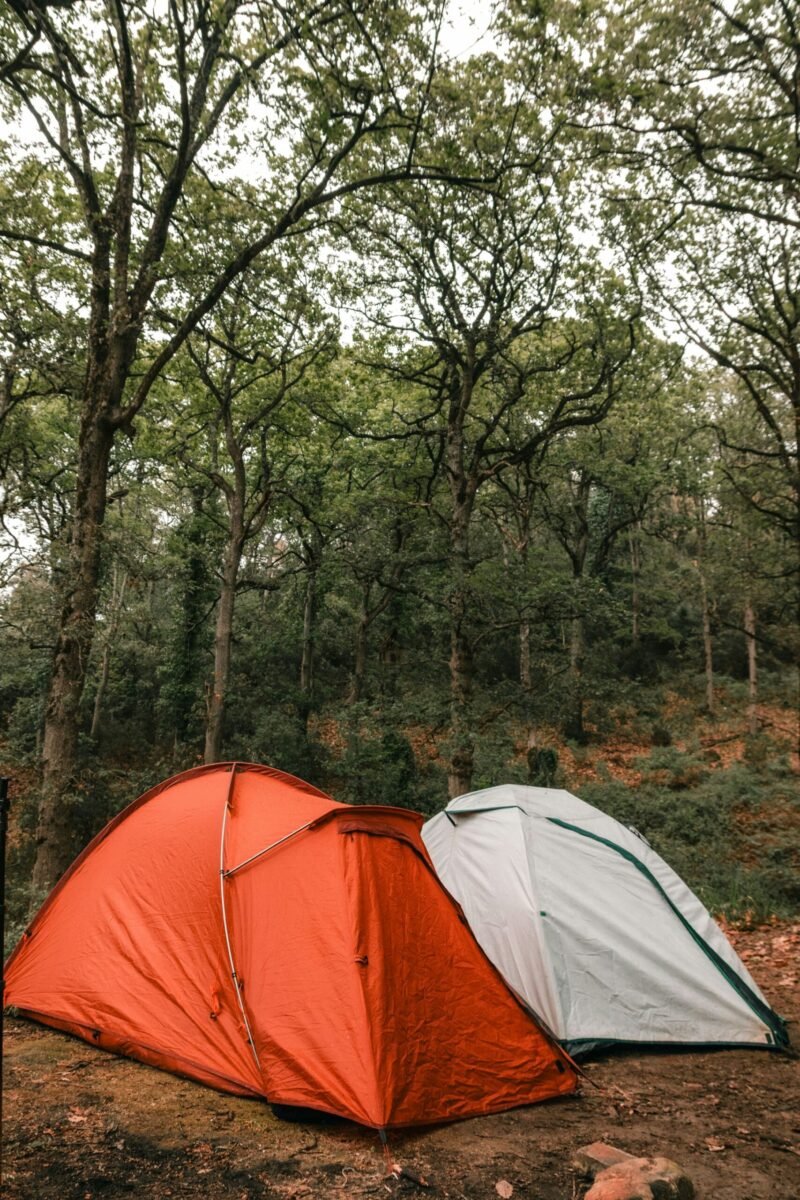
They either occasionally go out or buy new gear every few trips.
But if you head to rural campsites very often, chances are high that you end up getting dirty tents every couple of trips.
Signs your tent needs cleaning:
- Visible dirt, stains, mud, debris, bird droppings, sap, or sticky substance
- Musty or bad odor
- Mold or mildew spots
- After long or muddy trips or seasonal storage
The splash of mud, the wet, dusty tent, and storing the tent can result in the tent needing to be washed and cleaned.
Supplies You’ll Need to Clean a Tent
- Mild, non-detergent soap or tent-specialized solution
- Bucket or tub
- Soft sponge or cloth (I may also require a clean, dry towel)
- Lukewarm, clean water
- Soft brush (for tough stains and small spots)
- Tent cleaner solution (Optional)
- White vinegar for odor or mildew (Optional)
Step-by-Step: How to Clean a Tent Properly
Step 1: Shake Out Dirt and Debris
First things first, shake the tent and make sure there is no loose dust, dirt, or debris on it. Turn the tent upside down and shake.
Also look for leaves, sand, and insects attached to the fiber.
If possible, you can brush off this waste by hand or with a brush before throwing the tent into the water.
This way, half of the junk is removed.
Step 2: Spot Clean Problem Areas
There must be leftover debris or stains, bird droppings, and sap on the tent. Focus on these wastes and clean them with the use of a non-abrasive sponge, cool water, and a mild or non-detergent soap.
For this, you need to prepare a soap solution. I recommend you use neutral castile soap or a gentle, unscented dish soap.
You can also clean the tent by hand by gently scrubbing any soiled areas, but avoid scrubbing too hard.
If a spot is difficult to remove, mineral oil or something like hand sanitizer does the magic.
Step 3: Wash the Tent Gently
In this stage, the staggered dirt and stains are cleaned out.
So, fill a large bucket, bathtub, or sink with lukewarm water, then add a small amount of mild soap.
Now, submerge the tent, hand-wash, and gently agitate. And let it soak for 5-10 minutes, but not too long.
If your hands hurt, you can use a water hose to wash the tent out. But make sure you set the gentlest while using a nozzle or wand.
Step 4: Rinse Thoroughly
After a complete washing, rinse the tent thoroughly using several baths of clean water.
Do it until you don’t see soap residue.
Step 5: Air Dry Completely
Choose a location with shade and good airflow. You can either hang or pitch a tent protected from bird perching and strong winds.

I drape the tent over stuff in the garage for a day or two to completely dry out.
Also, I repositioned it a few times to make it dry faster. I would like to pitch it in there for a day, it doesn’t freestanding.
If you leave the tent outside, make sure you avoid direct sunlight for long periods.
How to Remove Mold and Mildew from a Tent
Mold and mildew are the telltale signs that you haven’t stored the tent properly after the recent trip.
A wet, slightly moistened tent or one stored in the stuff rack for an extended period without proper drying can generate mold, mildew, and odors.
Pour warm water and vinegar into the bucket or tub together in a 5:1 ratio. And add a few pumps of non-detergent soap to this solution.
Alternatively, you can make a solution using equal parts of lemon juice, salt, and warm water.
Apply these mixtures or solutions to the spot of mold or mildew, then clean with a scrubbing brush. Only gently scrub the affected area.
How to Maintain Your Tent After Cleaning
Before storing the tent, make sure it’s 100 percent dry. Also, keep it loosely folded when storing.
Avoid keeping the tent completely packed up so that any leftover moisture can evaporate easily.
Your storage location should be clean, cool, and dry, but not compressed. If you want to reduce dirt buildup on your tent, use a groundsheet.
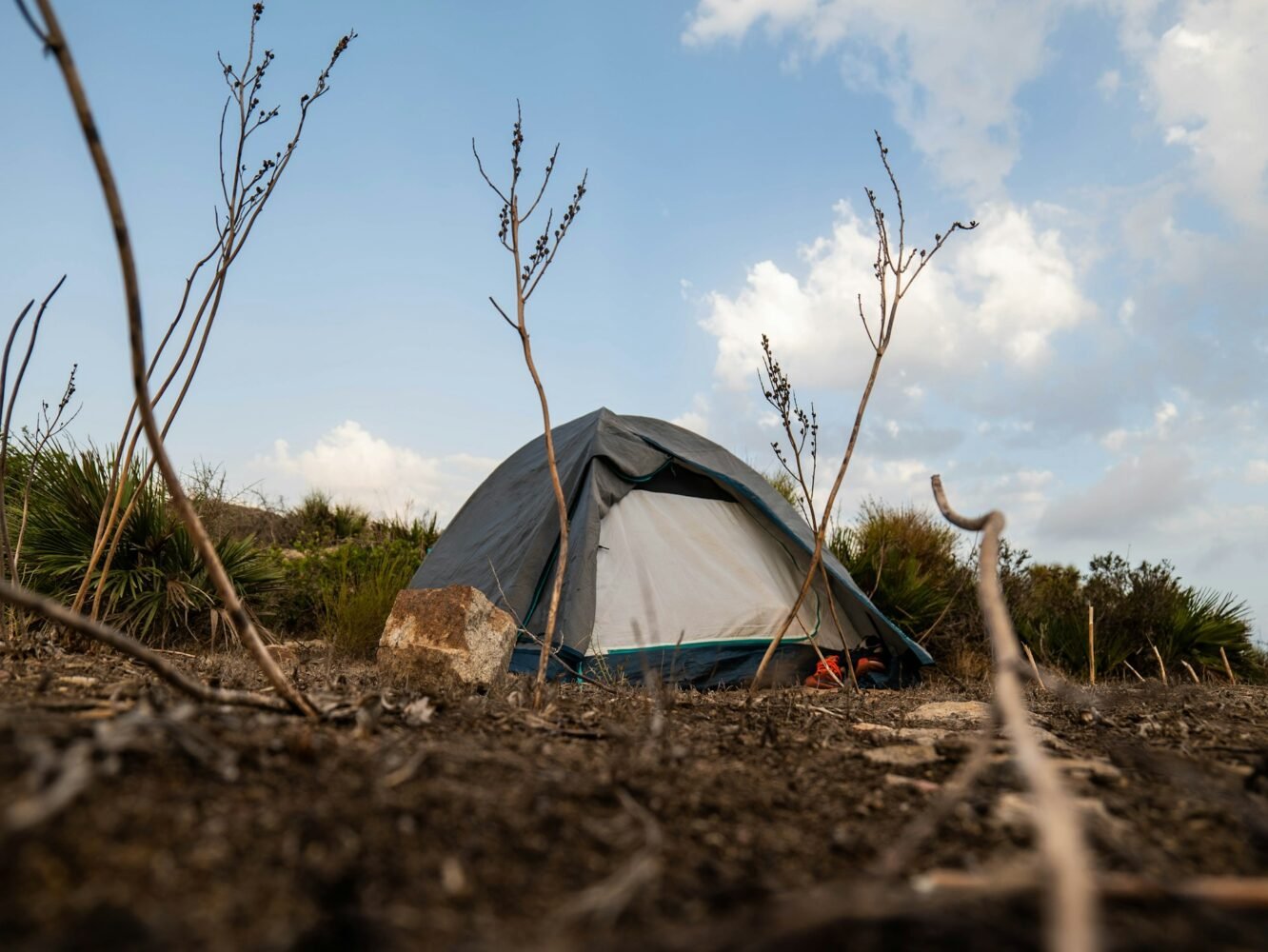
I also recommend you dry your tent out completely after every camping trip.
Pro Tips from My Experience
- Avoid machine washing. A washing machine may erode any seam-sealant and loosen the thread.
- Clean the zippers in the final step, and only before you rinse the tent. Use a small, soft brush for tiny spots such as seams or corners.
- Never use harsh detergents or bleach.
- Don’t use dryers to dry your tent faster. Also, make sure you don’t scrub the waterproof coating.
- After cleaning and washing, the tent may lose its water- and UV-resistant coatings. If you feel the same, apply fabric coating spray.
- You can reapply the coatings every few trips or after cleaning.
- Though you may find it pleasing to spray fragrance over the tent, you don’t have to do it. The unique scent can attract bugs, insects, and critters to the tent, making it dirty while camping.
- Also, don’t use scented soaps or any cleaning products with fragrance when cleaning the tent.
Final Thoughts
Every camper feels you don’t have to deep-clean your tent after every campout. But it’s wise to wipe off any visible dirt, sand, and water before putting it on your storage shelf.
I see people treat their tent with a deep clean only after a long trek or muddy campsite.
You can also opt for at least once a year if you use your tent regularly.
Leave a Reply