
While many find it hard to continue in the rain, others enjoy camping during it more than on a normal day.
But you need to be prepared and smart about managing gear and cooking while staying dry and warm in wet weather.
If you’re heading up in the monsoon or rainy months, make sure you get some rain camping tips from experienced fellows.
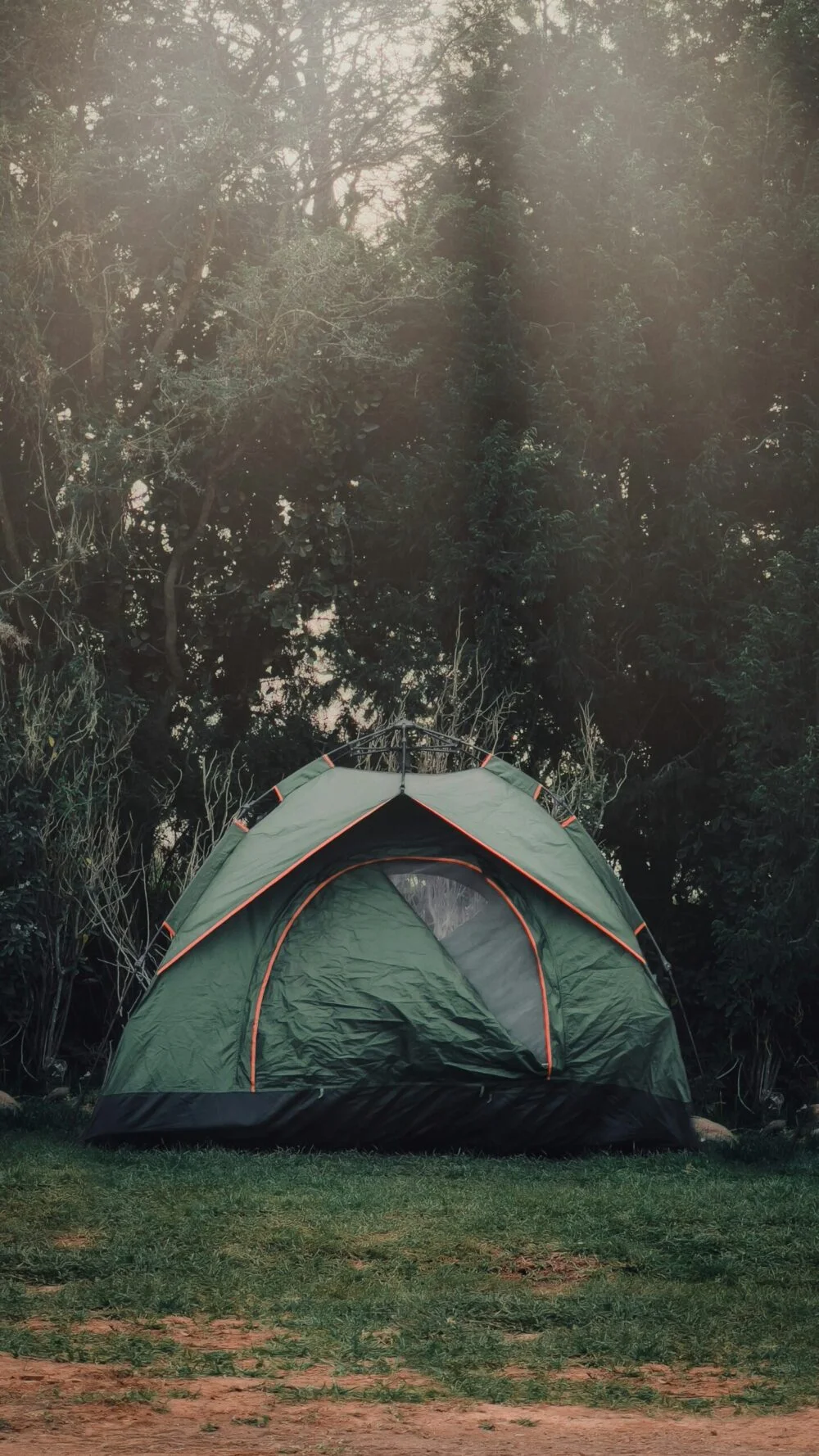
1. Check the Weather Forecast Before You Leave
Camping can be adventurous, but it should not be life-risky. So, you need to check the weather forecast before you leave home.
Summer is full of surprises in weather changes, and it worsens when the monsoon hits.
I recommend you check the rain intensity, thunderstorms, wind conditions, flash flood warnings, and temperature changes.
Don’t just see the percentage, but also look at the timing and intensity. For example, 70% has a high chance of rain, but how it rains can change your whole trip.
Either it could rain for only a couple of hours and the rest of the day stay dry, or it could rain the whole day without stopping.
So, I check the hourly forecast and radar in the morning and prepare backup plans for the future if the weather worsens.
2. Choose a Campsite on Higher Ground
It’s always troublesome to set up a camp in the lowland area where water runs downhill, pools, and submerges the land.
So, avoid valleys and places like this.
Always stay away from water bodies such as rivers, lakes, streams, creeks, and puddles or anything like these.
In the rainy seasons, the water reservoirs often overbank flood in no time.
I recommend you look for natural drainage and slightly elevated ground to pitch the tent. Also, make sure there are no trees, as a storm can break down and fall into your shelter.
The higher, the drier, the better.
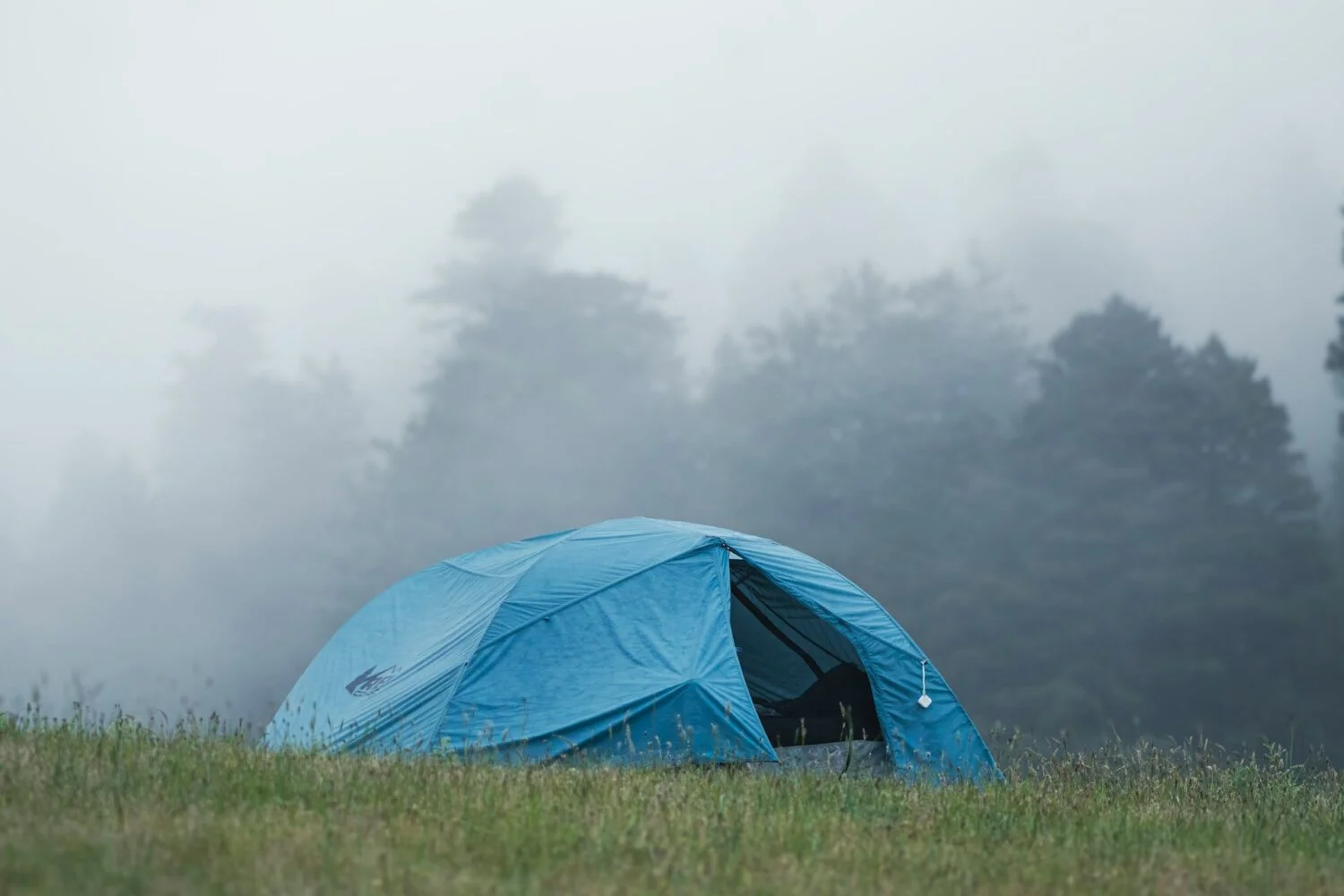
Walk around and inspect if the spot has flattened grass or silt lines. Or the slightly greener patch may tell you where the water sits. So, step up and find another place.
3. Waterproof Your Tent Properly
If it rains the whole day, you have nothing but to stay dry, cook, and wait for the rain to stop.
So, pitch the tent in the right order and make it waterproof. If you have a tent with a footprint, make sure you lay it down a bit smaller than the tent floor.
So, get the tarp correctly under the tent to prevent funneling the water under you.
Because a footprint sticking out past the edge gathers the rain. Also, have the rainfly on fast and stake it tight.
I see the loose, sagging fly leaks, while a drum-tight fly sheds water and prevents the fly from touching the inner wall.
Okay, now, you can apply seam sealer to keep moisture from seeping through. Or get waterproof spray on silicone products every few years.
4. Pack Waterproof Clothing and Extra Layers
Quick-dry layers, a moisture-wicking base layer, and a pair of wool socks can be a wise idea to pack for the rainy trip.
Get synthetic or polyester over down (even wool base) for insulation in the chilly weather. I think cotton is a bad choice in wet weather as it gets wet and doesn’t dry easily.
You should not bother wearing a waterproof jacket and rain pants. If possible, wear a ball cap to keep moisture out of your eyes.
Waterproof boots are a wise choice, but you need to consider the conditions on the trail. If the water gets in over the top of your footwear, you cannot remain dry.
5. Keep Your Gear Dry with Waterproof Storage
The most common hunting fear that campers face is defective gear or gear failure in the middle of the trip.
So, you need to keep your tools safe from weather and unexpected conditions.
During the trip, you need to keep your essentials such as electronics, food, sleeping bags, matches, and clothing from getting wet.
To keep these organized, you need dry bags, waterproof backpacks, ziplock bags, trash bags, and waterproof stuff sacks.
6. Create a Dry Outdoor Living Space
After whole-day activities, you can create a space for outdoor living with a dining shelter and kitchen.
The longer it takes you to build your shelter, the wetter you get in the rain.
So, you need to be efficient doing it. If you’re unfamiliar with your tent, you can practice pitching up in your backyard.
Okay, you need to set up the tarp. String up a tarp or two overhead, and make sure one is on the ground.
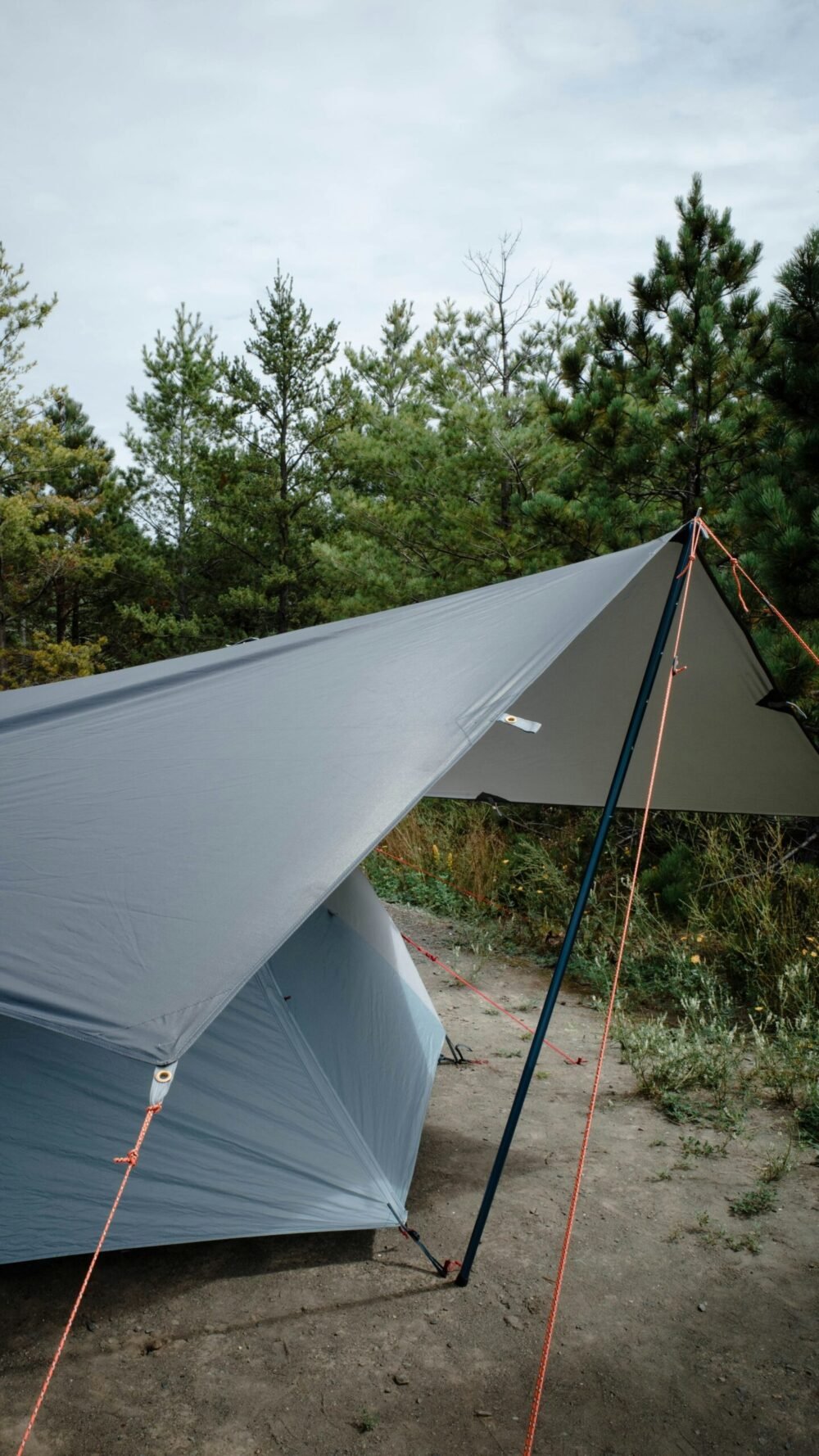
You might also want some chairs if you have friends. To make it more enriching, set up ambient lights and a music box.
Now, you can brew coffee or cook some snacks there.
7. Stay Warm Even When Everything Feels Damp
It’s not winter, but a wet environment can also make you get cold during the trip. So, don’t go outdoors for a long time if you have a cold allergy.
Also, dry yourself every time you have to go outside for work. Get a clean towel and wipe the water from your body.
If you’re shivering and chattering your teeth, start a fire and warm yourself.
Brew some drink or soup and eat warm food. You feel hungry and enjoy the meal after hard work, especially in the rain, more than on other days.
Also, dry your clothes before you go to bed.
8. Cook Smart During Rainy Weather
Cooking in the rain is the most challenging job for campers. You have to cover the cooking area and get it protected from wind.
So, your outdoor kitchen must be under the tarp outdoors. Not inside the tent, as it can cause carbon monoxide and a burn risk.
If you have a two-burner Coleman propane stove, it will be much easier.
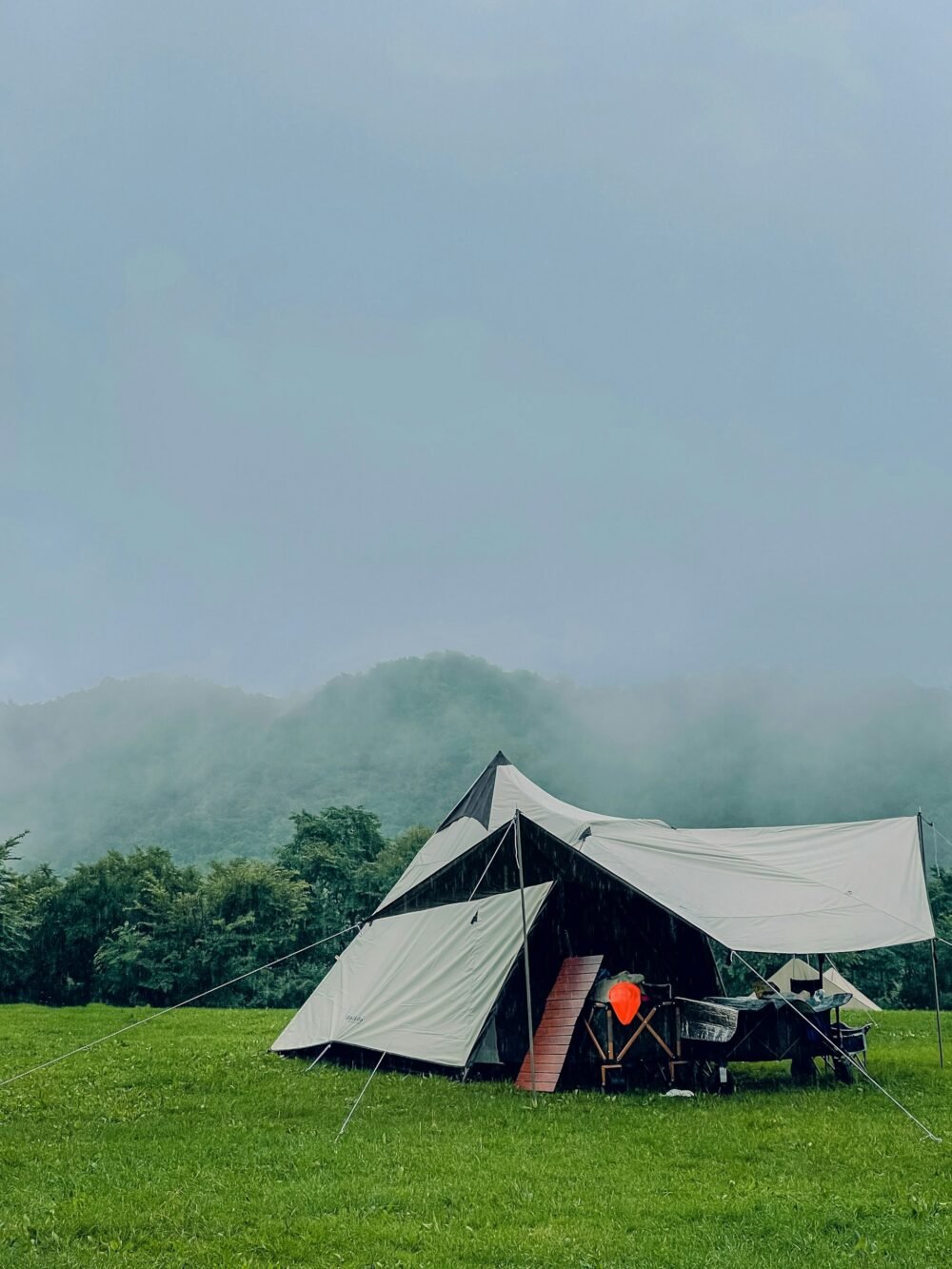
During this time, you cannot experiment much, so easy meals or one-pot meals can be a wise choice.
Soup, chili, oatmeal, pasta, coffee or tea, and hot chocolate are some great foods for a rainy day.
Or you can also have anything that you have prepared at home. No-cook recipes can be better options.
This helps you save some fuel as you have to survive the worst weather, which could take unexpected time.
9. Keep Mud Under Control Around Camp
It’s always challenging to keep hygiene around the muddy area. But you can do it with a few setups.
Make a mud line at the tent door. Then, you can place a shoe mat before the tent under the tarp or fly.
You can also keep boot or shoe storage. Many keep these in the bag or bin.
If you have camp sandals, you can use them during the rain and keep your shoes or boots dry for later use.
Also, to remove the mud, you can store some rainwater in the bucket or container and place it under the tent cover.
To help you keep dry before entering the tent, you can keep a small towel under the tarp.
10. Maintain a Positive Mindset and Enjoy the Experience
Many prefer to go outdoors in the light rain. They can take nature walks, trek around, watch wildlife, go birding, and take pictures.
These are really exciting, but you can do them if you are a seasoned explorer when safe.
If you’re a beginner, I recommend you do indoor activities such as playing cards, reading books, camp journaling, storytelling, and playing music.
Final Thoughts
I love rain camping as only a few people are on the campsite during this time. So, you get more privacy and more choice of open campgrounds.
If the weather is mild, that’ll be the cherry on the cake.
The sound of rainfall on the tent, while you enjoy reading or eating warm food inside, would be more satisfying.
Leave a Reply