
On my first backpacking trip with Mugg (my dog), he embarrassed me while camping.
Every time he saw strangers, he started barking and became protective of me, so I had to return home within 2 days, even though I had planned a 4-day trip.
If you don’t want a different camping experience with your pet, I recommend considering the following tips.
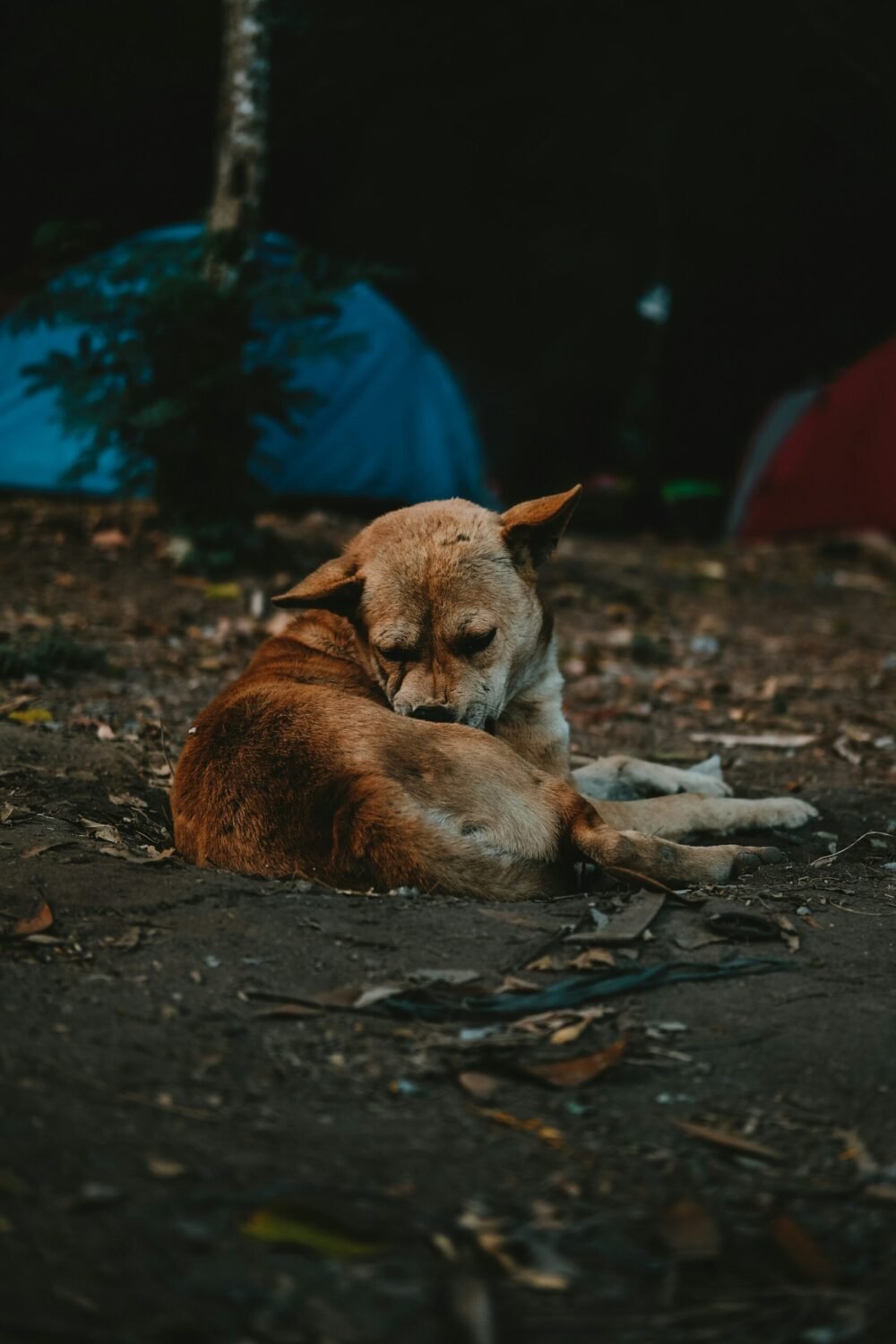
1. Choose a Dog-Friendly Campground
Many campgrounds and treks don’t allow pets because of irresponsible pet owners, wildlife protection, and guest allergies.
But some state and national parks welcome pets with certain policies. You should keep your dogs on leashes and not leave them unattended.
If you have a partner, they need to hold your dog when you use the bathroom. If solo on the trip, assign someone.
Also, you can only use your designated areas, trails, or dog parks, especially for walking. Your pets cannot run on vegetation or wood and enter the wildlife.
If you consider leaving your dog in the car or a tent, first, you need to learn your pet’s behavior.
If they’re aggressive, you should not be surprised if your car seats or tent are ripped.
On the first visit, when my dog barked at a stranger, I told him to stop immediately.
That person walking by thanked me, since the person camping next to him had a dog owner with two dogs barking nonstop, but the owner didn’t care.
So, you have to confirm pet policies before making reservations.
2. Schedule a Pre-Camping Health Check
Before camping, inform your vet that you’re taking your pets into the wilderness, where they’ll be exposed to other animals.
So, your dogs may need more vaccines.
Make sure your dog’s vaccinations are up to date. Many campsites also require proof of rabies vaccination, so bring your dog’s original vaccination certificate.
Also, stay up to date on your dog’s flea or tick medication.
I suggest you check your pet for ticks at least once a day if you’re not sure where or how to look, or ask a professional.
3. Pack a Dedicated Camping Kit for Your Dog
When growing up in camping families, there is always a pet caretaker responsible for packing and organizing pet camping kits.
Our aunt was the person in my childhood. When I asked about the gear for dogs, she mentioned the following:
- Hydrated food and treats such as kibble
- A stake to keep your dog in the campsite, but it can also roam a bit.
- Water
- Collapsable bowls
- Leash (regular and retractable)
- Harness
- LED collars
- Long rope to loop the leash and tie between trees
- A zip-line to keep the dog secured
- Waste bags to manage dog manure
- Blanket or padding for sleeping,
- Dog first-aid and sanitary supplies (bandages, antiseptic wipes, and tweezers)
- Sanitary supplies such as a brush, a comb, wipes,
- Flea and tick spray
- Mosquito netting
- Favorite toy (please, easily washable), but no squeaky toys
- 4. Practice Camping Skills Before the Trip
If your dog is still young, you may need to give it some training. Make sure your pet is responding accurately and promptly.
You can introduce your dogs to tents, sleeping pads, and other camping gear at home so they won’t be surprised or nervous at the campground.
The dogs at home without a leash are not used to being tied to one place. So, teach the pet some leash manners and basic commands, and see how they respond.
These experiences help reduce anxiety in unfamiliar environments.
You can do it with overnight backyard camping as preparation.
Dogs are very protective and bark at strangers, so you need to train them not to bark during the night.
5. Keep Your Dog Leashed and Under Control
You need to keep your pet on a leash 24/7. Also, I put my foot through the leash handle while I’m relaxing in the chair or sleeping.
This helps prevent naughty dogs from escaping. Also, don’t let the leash get loose when there are wildlife, roads, or unfamiliar campers.
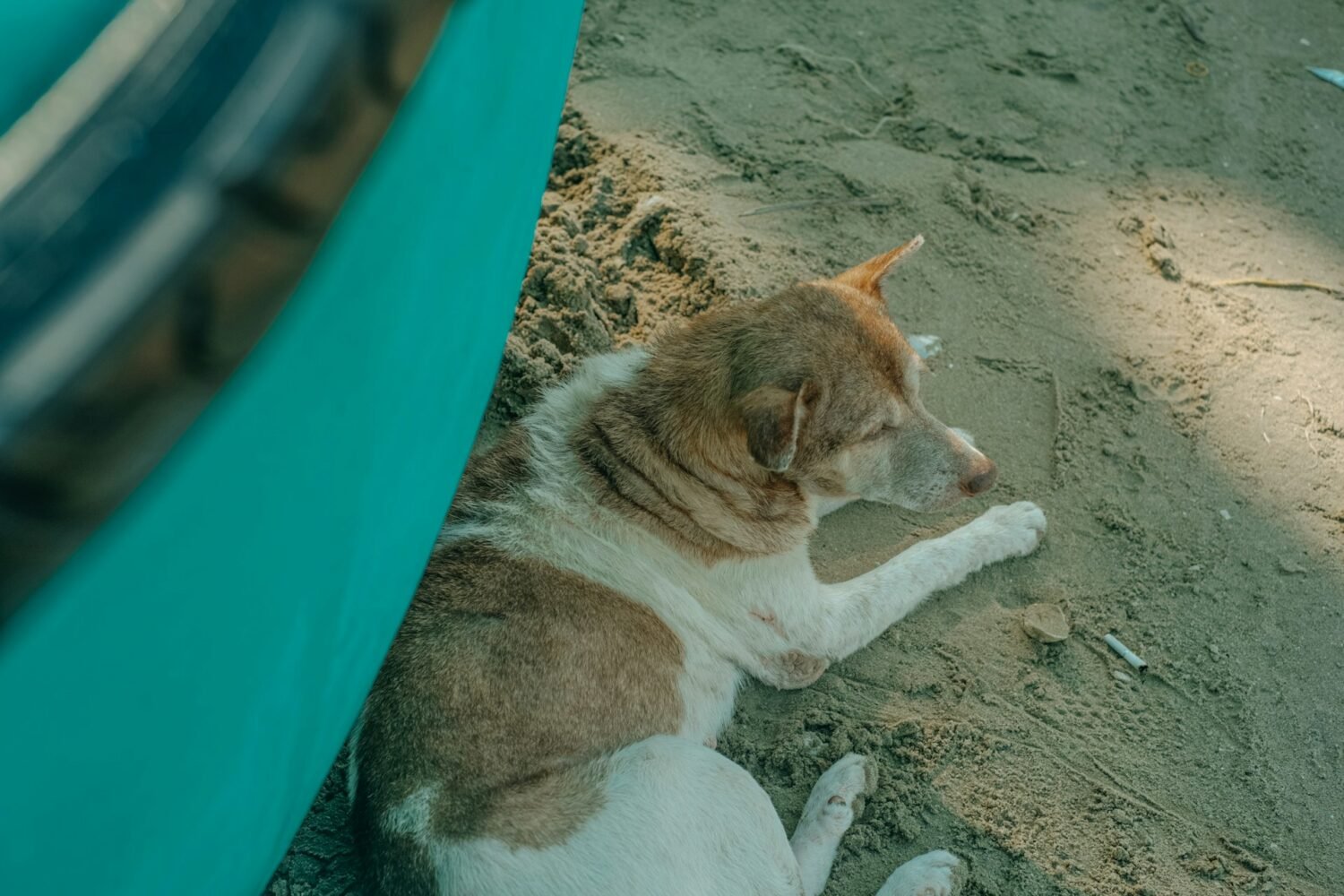
During the daytime, you can wrap the leash around you and keep it near the dog bed.
6. Protect Your Dog From Wildlife Encounters
On the hiking trails, you can expect to encounter dogs, bears, coyotes, snakes, porcupines, and skunks in the woods or vegetation.
The encounter can provoke the animals, so keep your pets away from them.
Find out which areas and surrounding spots are common for birds, rabbits, and squirrels. When going through these routes, keep your dogs on leash and under your control.
7. Create a Comfortable Sleeping Area
Just like you, your pet needs a comfortable place to rest and sleep. For this, you can bring dog sleeping pads, blankets, and portable beds.
This helps your dogs stay off the ground and remain cozy and warm. Consider your dog’s breed and the temperature when packing for your pet.
My dogs always find a cozy spot next to me on a campfire night. Then, he snuggles in the tent with me.
I also want you to get thin rugs to line the tent, which will help protect the stuff from scratches from the dog’s claws.
8. Watch the Weather Closely
When letting your dogs out with you, consider the weather to ensure they stay safe. If you’re going in the monsoon, expect that you will get caught in the rain.
For this, you need to pack the dog’s raincoat and some towels to dry them off.
Also, you need to be ready for the temperature change if you go on a week-long trip. For example, you can pack a cool mat for the hot weather.
9. Check for Health Condition after Activities
You’re enjoying the trip doesn’t mean your dog is, too. Maybe it is suffering from some health issues.
So, you need to scan your pets for any signs of cuts, injuries, or ticks after hiking or any fun camping activities.
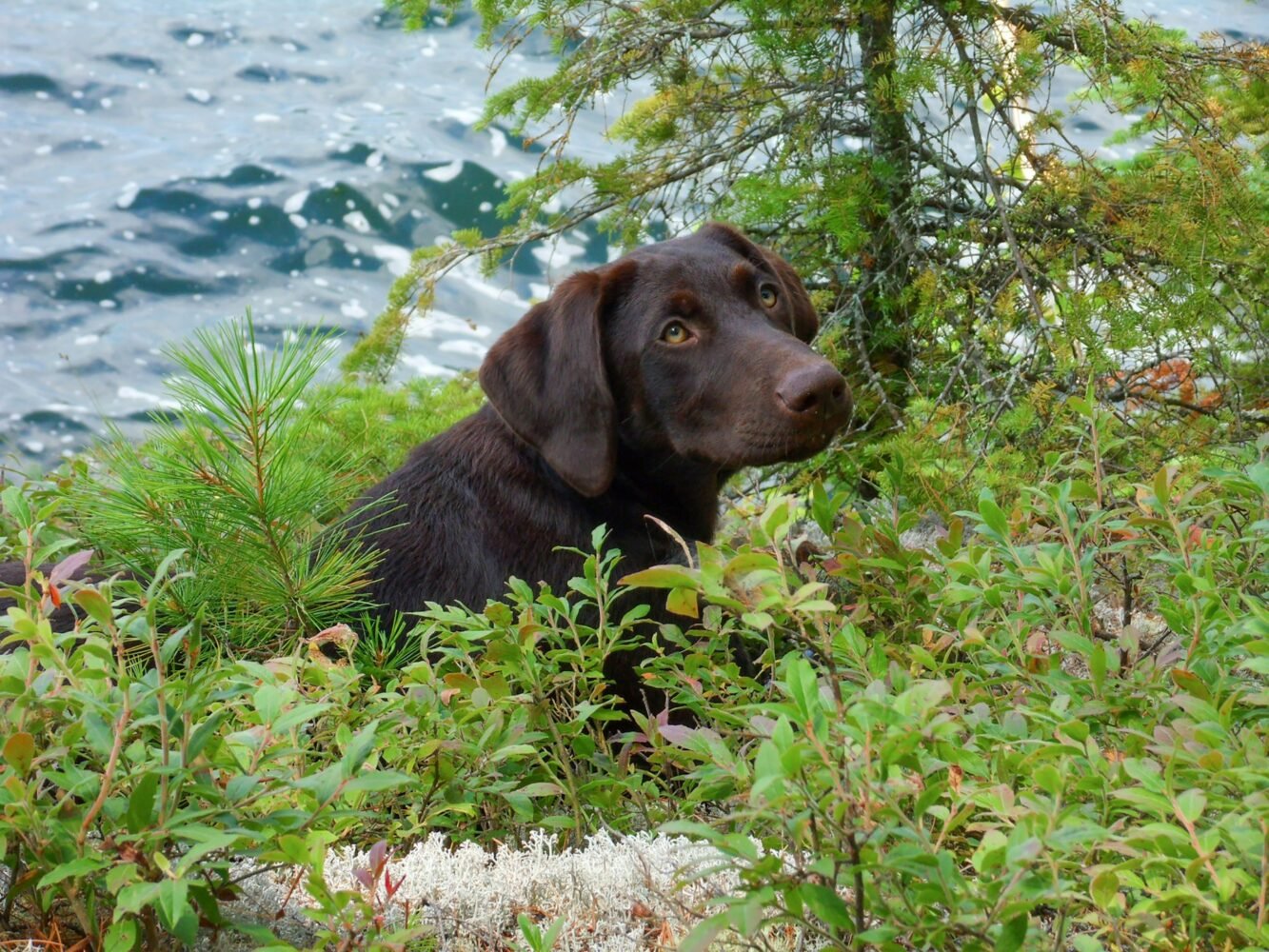
Also, check the signs of fatigue, stress, and overstimulation. Sometimes, aged dogs need more breaks than others.
This way, you can prevent serious issues with your pet. Also, you need to be prepared for emergencies.
Collect some essentials such as bandages, tick remover, and antiseptic wipes.
Final Thoughts
Camping with a dog should not be a burden. If you cannot take care of your dogs, you had better let them rest at home or hand them over to your neighbors for a few days.
Not only do they accompany you on the trip, but dogs can also motivate and protect you in the rustic area.
So, you need to control and take care of your dogs while camping with them.
Leave a Reply